When Calm Goes Stale: A Practical Freshness Check for CBD at Home
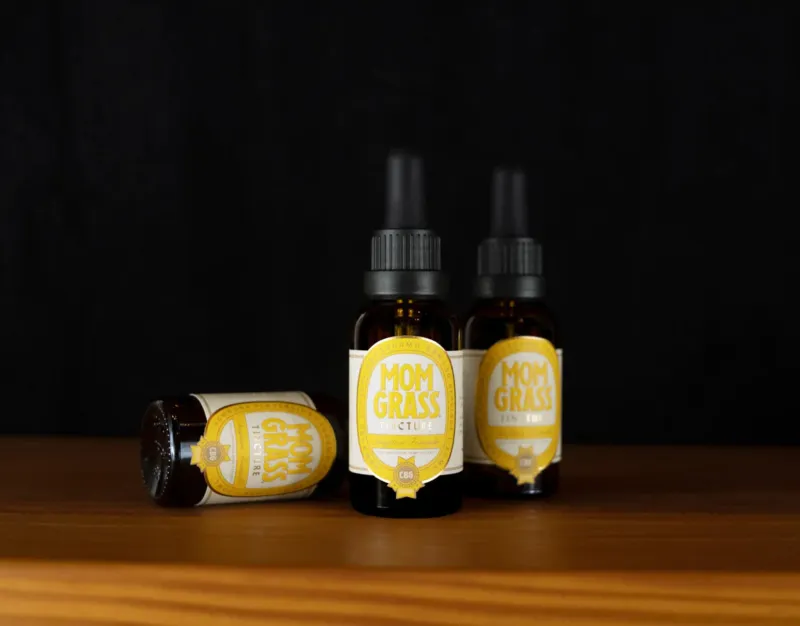
A bottle of CBD oil does not need a shrine. It needs a sensible shelf. Yet most of us have a hopeful little storage spot that is not quite as sensible as we think: the kitchen shelf above the hob, the bathroom cabinet that gets steamy every morning, or the warm patch beside the radiator where things go to be forgotten. In a British home, those spots change character with the seasons. Central heating comes on, windows stay shut, and the bathroom turns into a small greenhouse twice a day.
At Green Lane CBD, we are a neighbourhood shop, so we hear the real-life version of this. People are not storing products in laboratory conditions. They are keeping them in kitchens, hallways, handbags and van cabs. That is fine. The aim is not perfection; it is a bit of practical care and a willingness to check a product before you use it.
Why storage is a seasonal issue
CBD products are not all the same. Oils, capsules and balms have different ingredients and different weak points. Light, heat, air and moisture are the usual suspects. A cool, dark, dry cupboard is generally kinder than a sunny windowsill or a steamy bathroom. But the British weather adds its own wrinkles. A kitchen can be cool for months and then become warm and humid when the heating is on and a pan of potatoes is bubbling. A bathroom cabinet may be fine in winter and damp in summer, or the other way round depending on the extractor fan.
So think in terms of steadiness. You want a spot that does not swing from hot to cold, does not sit in direct sun, and does not get steamed up every day.
Oils: treat the kitchen shelf with suspicion
Oils are often the most sensitive format. They may contain carrier oils alongside CBD, and those oils can degrade with heat and light. The bottle should stay capped, upright and out of direct sunlight. A dark cupboard away from the oven, kettle and radiator is usually better than a decorative spot on the worktop.
Some labels recommend refrigeration after opening; others do not. Follow the label rather than a general rule from the internet. If you do keep oil in the fridge, allow it to come to room temperature before use and wipe any condensation from the bottle. Do not decant oil into an unlabelled dropper bottle. Keep the original packaging, because it carries the batch number and best-before information.
When checking an oil, use your senses carefully. Oils vary in colour and smell, so a slight difference is not automatically a problem. But a sharp, rancid or off smell, a cloudy appearance that was not there before, or a texture that has become unusually thick are reasons to stop and check the label or ask. If the product looks or smells wrong, do not use it.
Capsules: the bathroom cabinet trap
The bathroom cabinet feels like a natural home for supplements, but it is often the worst place in the house. Steam, moisture and frequent temperature changes are not kind to capsules. They can become sticky, clumped or soft. Keep capsules in their original container with the lid firmly closed, and store them in a dry cupboard rather than the bathroom. If the label mentions a desiccant sachet, leave it in the bottle.
Check for capsules that have stuck together, changed colour, or developed a strange smell. A capsule that has been rattling loose in a handbag for weeks is not necessarily ruined, but it is worth a look before you take it. Keep the batch number and best-before date visible. If the label has rubbed off, that is a good sign the product has been knocking about longer than intended.
Balms: radiators and finger traffic
Balms and topical products are tougher than oils in some ways, but they are not indestructible. The warm spot beside the radiator is a bad idea. A balm that repeatedly melts and re-solidifies can change texture, and a lid that is not properly closed lets in fluff and grit. Keep balms in a cool, dry place, close them properly, and use clean fingers or a small spatula if the product calls for it.
If a balm smells off, looks separated, or feels gritty in a way it did not before, replace it. Do not try to rescue it by stirring it with a finger. That only adds more things the product did not ask for.
Batch codes and best-before dates
A batch number is the product's traceability code. It helps the maker and the seller identify when and where a product was made. You do not need to memorise it, but keep it on the packaging. If you ever have a question about a product, that code is useful.
A best-before date is about quality rather than a guarantee of anything else. It is not a finish line after which a product magically becomes dangerous, but it is not a suggestion either. Once a product is past its best-before date, the sensible move is to replace it rather than ration it. Some products also carry a period-after-opening symbol, which tells you how long the product is good for once opened. Write the opening date on the label if it helps you remember.
A two-minute shelf audit
Once in a while, take everything out of its spot and look at it properly. Check the best-before date, the batch number and the opening date if you noted one. Smell the product. Look at the texture. Ask whether the storage spot has been warm, damp or sunny. If a bottle has been in the bathroom for months, or in a hot van, be more cautious.
This is not about being precious with your products. It is about not using something that has clearly had a hard life. A two-minute check is cheaper than replacing a product you never really used because it sat in the wrong place.
Replace, do not ration
When a product is past its best, the temptation is to use it up quickly or take a little more to finish the bottle. That is not a good plan. CBD products are not medicines, and a stale product is not improved by using it faster. If the smell, texture or label has gone, replace it. If you are unsure, ask at the counter. We would rather have that conversation than have you keep a bottle you do not trust.
A little care goes a long way. Keep it cool, keep it dark, keep it labelled, and check it before you use it. The calm is in the routine, not in the radiator shelf.