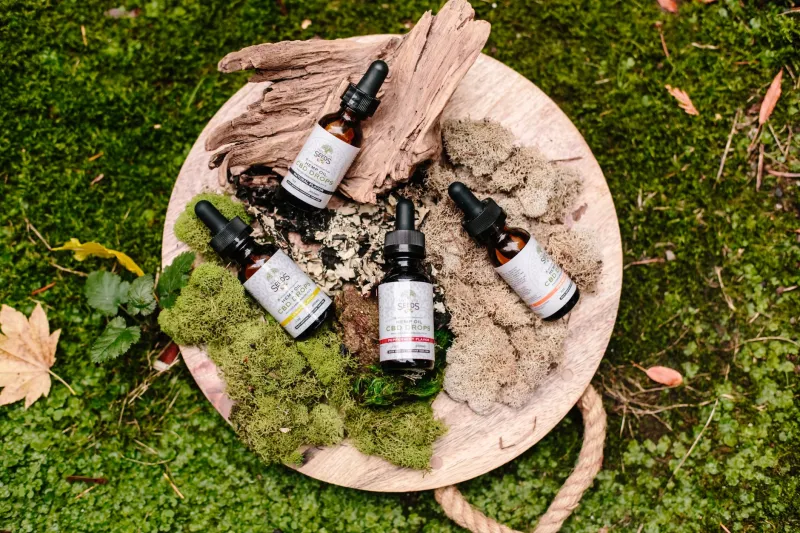
Bottles Behind the Biscuits: A Family-Home Guide to CBD Storage

The kitchen cupboard is not a fortress
Most of us store everyday bits and pieces in the kitchen: painkillers, vitamins, the odd bottle of CBD, a half-finished packet of biscuits. It feels tidy enough. But if there are children in the house — your own, visiting grandchildren, a neighbour’s little one popping in for ten minutes — or a dog who can open cupboard doors with their nose, that cupboard deserves a second look.
CBD is not a magic potion, and it is not a sweet. It is a grown-up product, usually sold in a small bottle with a dropper, and that combination of small, shiny and handbag-sized makes it interesting to exactly the wrong audience. The aim here is not to alarm anyone. It is simply to keep CBD where it belongs: out of reach, clearly labelled, and easy for the adults to find when they actually need it.
Child-resistant does not mean child-proof
Let’s start with the cap. Many CBD oils come with a child-resistant closure — the push-and-turn sort, or a dropper cap that needs a firm squeeze. That is a useful first barrier, but it is not a guarantee. A determined five-year-old, a curious eight-year-old or a visitor who has never seen that cap before can sometimes work it out. Child-resistant packaging buys you time and reduces the chance of an accident; it does not replace sensible storage.
So treat the cap as one lock in a chain, not the whole chain. Keep the bottle closed properly between uses, wipe any oil from the neck, and do not leave it lying open on the worktop while you answer the door. Small habits make a big difference.
Keep the original label doing its job
It is tempting to decant CBD into a smaller bottle for the handbag, or to tip two half-empty bottles together. Please don’t. The original packaging carries the batch number, the CBD strength, the carrier oil, the use-by information and any warnings. If someone else picks it up — a child, a partner, a pet-sitter — the label is the thing that tells them what it is.
If you need a travel container, use a properly labelled one and keep the original box or bottle at home for reference. A strip of masking tape with “CBD — adult use only” written on it is not glamorous, but it is a lot safer than an unmarked amber bottle rattling around in a rucksack.
Shelf, fridge or somewhere else?
CBD storage advice varies by product. Some oils are happy in a cool, dark cupboard. Others suggest the fridge once opened, especially in warm weather. The label or the shop’s product page should tell you, and that instruction should come before any generic rule of thumb.
Wherever you choose, think about height and distance. A high shelf is helpful, but only if it is genuinely high and not next to a chair that a child can drag over. A locked cupboard is better. A lidded plastic box on the top shelf of a pantry, away from the biscuit tin, is a practical middle ground for many homes.
If you use the fridge, keep the bottle in an airtight container or a sealed bag, away from food, and not in the door where it will be knocked about. Avoid the bathroom cabinet if you can; warmth and steam are not kind to oils. And please do not store CBD next to pet treats or children’s vitamin gummies. That is a confusion waiting to happen.
The handbag and the coat pocket
This is where many well-meaning routines fall apart. A CBD bottle goes into a handbag “just in case”, then the bag is left on the floor, then a toddler investigates. Or it ends up loose in a coat pocket with keys and a dog biscuit.
If you carry CBD with you, use a small zip pouch, keep the bottle upright and closed, and put the pouch somewhere deliberate — not the bottom of a tote where it can leak. At home, empty your pockets and bag on a high surface and return the bottle to its proper place. Visiting family should do the same, especially if they are staying overnight. A quiet word before the grandchildren arrive — “my CBD is in the blue box on the top shelf, please keep it out of reach” — is not awkward. It is neighbourly.
Answering the question without a lecture
Children ask questions. “What’s that bottle?” is not a crisis. Keep the answer short, calm and age-appropriate. “It’s a grown-up’s bottle, like medicine, and it stays in the cupboard” is usually enough for a young child. Older children can hear a little more: it is a product for adults, it has a label for a reason, and they should not touch it without asking.
The tone matters more than the script. If we whisper and snatch the bottle away, it becomes fascinating. If we treat it as an ordinary adult item with a clear rule, it tends to stay ordinary.
A small routine beats a perfect system
You do not need a laboratory-grade storage set-up. You need a dedicated spot, a closed cap, the original label, and a habit of putting the bottle back. Check your supply now and then, clear out anything past its date, and keep an eye on where visiting bags and coats end up. That is the whole plan: out of reach, clearly labelled, and calmly handled. Much like a good neighbour, really — present when needed, but not underfoot.