The Nose at Floor Level: A Pet-Friendly Home Where CBD Stays Out of Paw Reach
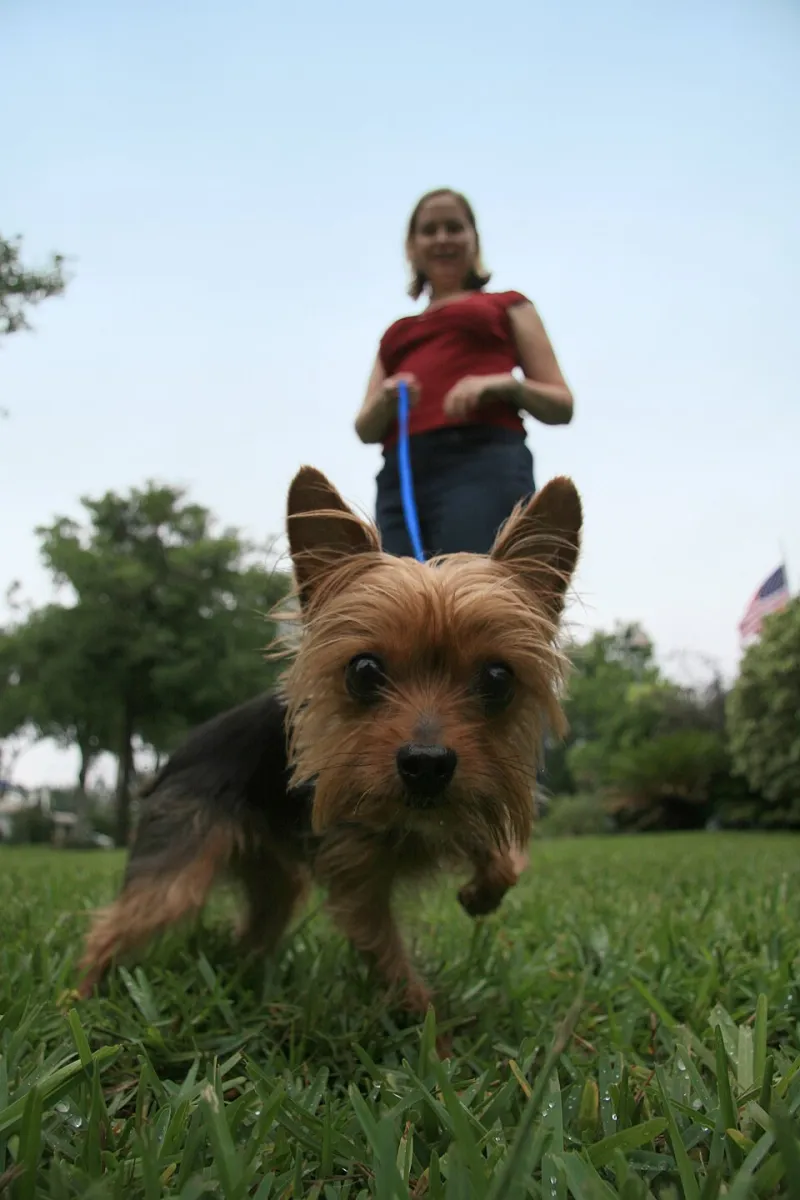
Photo: Chad Miller, CC BY-SA 2.0, via Wikimedia Commons
There is a particular noise a house makes when a dog has found something interesting at floor level. It is part sniff, part tail against a cupboard door, part the suspicious silence that follows. If you keep CBD at home, that noise is worth listening to. Not because your bottle is a hazard sitting in plain sight, but because pets investigate the world nose-first, and a dropped pipette or an open handbag can look like a very good idea to a curious animal.
At Green Lane CBD, we are a neighbourhood shop, not a veterinary practice. So this is a household guide, not a pet health guide. The short version is simple: human CBD products are made with people in mind, and they are not automatically suitable for cats or dogs. If you are thinking about CBD for an animal, speak to your vet first. The rest of this piece is about the everyday habits that keep a pet-friendly home calm, tidy and free from unnecessary surprises.
A bottle for people is not a bottle for paws
It is easy to see a dropper bottle and think small. Small bottle, small creature, small amount. But a pet is not a miniature person. The strength, the carrier oil, the flavourings and the way the product is made are all chosen for human use. A dog or cat may react differently, and the right answer is not to guess from a label written for adults.
That does not mean you need to treat your shopping like a laboratory experiment. It means keeping a clear line between your shelf and your pet's routine. Your CBD is your product. Your pet's health is a conversation for your vet. Keeping those two things separate is the neighbourly way to do it.
Think at tail height, not eye level
Most of us store things where they are convenient for us. That often means the kitchen counter, the bedside table or the bottom shelf of a cupboard. A cat can reach higher than we expect. A dog can be remarkably inventive when a smell is interesting. And a visitor's handbag on the hall floor is basically a lucky dip with a zip.
A good starting point is to look around your home at tail height. What is within a hopeful stretch of a paw or a muzzle? If a bottle or pipette is there, move it. A high, closed cupboard is better than an open shelf. A latchable storage box is better than a basket. A kitchen cupboard with a child lock may feel excessive until you remember that some pets are essentially toddlers with better hearing.
The dropped pipette problem
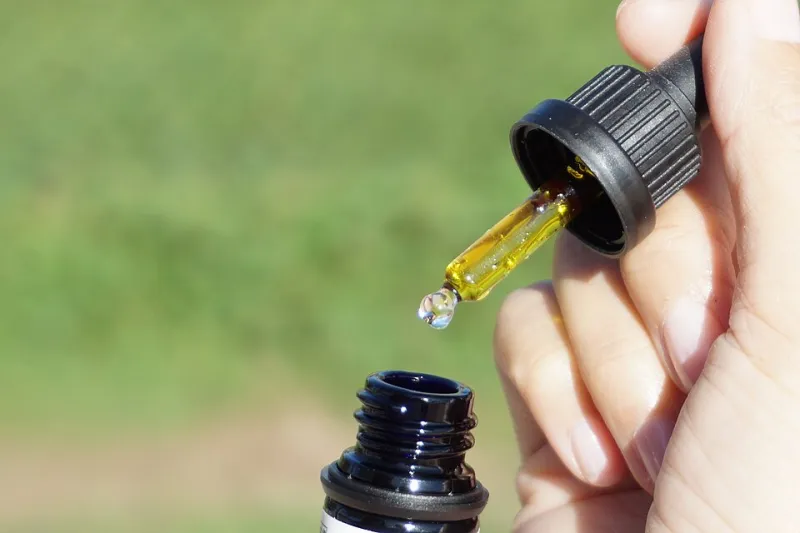
Pipettes are small, slippery and easy to knock off a counter. If one falls, pick it up straight away. Do not leave it on the floor while you fetch a cloth. Do not put it back in the bottle if it has touched the floor, the sink or anything else. Treat it like a tiny kitchen knife: useful when handled properly, not something to leave lying about.
It is also worth having a small routine for spills. A paper towel, a bin bag and a quick wipe are enough for most everyday drips. If a pet has chewed or licked a bottle, though, do not wait to see what happens. Ring your vet for advice. Have the product packaging to hand so you can read out the strength and ingredients. That is far more useful than trying to remember what the label said while a dog is wagging hopefully by the door.
Visitor bags, coat pockets and the hall floor
One of the most common near-misses in pet homes is not the owner's cupboard. It is a guest's bag. A friend comes in, puts their handbag on the floor, and a curious cat is already investigating the zip. If you use CBD, or if a visitor does, mention it. A simple line at the door works: 'Just so you know, there's a CBD bottle in my bag, so I'll pop it on the hall table.' It is not an awkward request. It is the same sort of courtesy as asking whether there is a dog before bringing round a box of chocolates.
Coat pockets deserve a mention too. A bottle that slips out of a pocket in the hallway can roll under a shoe rack and sit there for days. Check pockets when you come in. Keep bags zipped. Put anything that belongs on a high shelf straight there, rather than leaving it in the hall 'for a minute'.
Keep the label readable and the bottle closed
It is tempting to decant products into smaller bottles for convenience. For a pet-friendly home, that is usually a false economy. A labelled original bottle tells you what is inside. An unlabelled travel bottle tells you nothing. If you do need to move a small amount, keep it in a proper container and label it clearly, then keep it out of reach just as carefully as the original.
Closing the bottle properly matters as well. A dropper that is not quite seated can leave a smear on a shelf. A bottle left open on the bathroom basin is an invitation to a cat with good balance. Make 'close, wipe, put away' the end of your routine, not an afterthought.
Pets do not need to share the wind-down
There is something lovely about a calm house in the evening: kettle on, lights low, pet asleep on the sofa. It is easy to imagine that everyone in the room should be part of the same routine. But your CBD is not a shared household item like a blanket or a biscuit tin. If you are using it, use it as directed for you. Do not offer a taste to a pet because they seem interested, and do not assume a smaller drop is automatically a safer drop.
If your vet has discussed CBD with you for an animal, follow their advice and use a product that is appropriate for that animal, not whatever happens to be in your kitchen cupboard. That is a different conversation from this one, and it belongs with a professional who knows your pet.
A calm home is a checked home
The aim here is not to make your house feel like a pharmacy. It is to build a few small habits that stop curiosity from turning into a trip to the vet. Look at tail height. Close the bottle. Pick up the pipette. Zip the bag. Keep the vet's number where you can find it. None of that takes long, and none of it makes your home less relaxed. If anything, it makes the wind-down feel easier, because you are not half-watching the dog while you make a cup of tea.
If you are unsure about a product, pop into Green Lane CBD or get in touch. We are happy to talk through storage and labelling in plain English. For anything involving your pet's health, though, your vet is the neighbour to ask.