The Numbers Under the Label: A Calm Guide to CBD Batch Codes

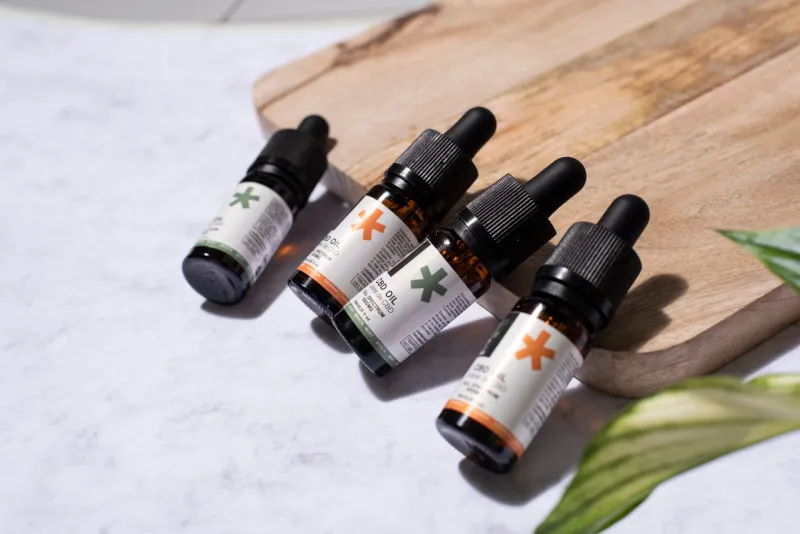
Photo: Mister rf, CC BY-SA 4.0, via Wikimedia Commons
There is a moment in every decent CBD shop when the bottle gets turned upside down. You are not being nosy. You are looking for the small print — the batch code, the dates, the little symbols that tell you what you are actually holding. At Green Lane CBD, we like that moment. It is the label equivalent of asking “where is this from?” and getting a straight answer.
Batch codes have a reputation for being cryptic. They should not be. Think of them as the bottle’s birth certificate and travel diary rolled into one: a short reference that links a specific production run to records the maker should be able to find. You do not need a decoder ring. You just need to know what you are looking at, and what to ask if the print is playing hide-and-seek.
What a batch code is — and what it is not
A batch code (sometimes called a lot number) is a manufacturer’s reference for a run of product made together. It might be letters, numbers, or both. It could look like GL-24-07-B or something equally unglamorous. What matters is that it should match the batch on the outer carton, the batch on any certificate of analysis (COA) the shop can provide, and the batch recorded by the retailer.
It is not a secret password, and it is not a ranking. A high number does not mean “better” and a low number does not mean “old”. It is an identifier. The useful information sits around it: the production date, the best-before date, and — where relevant — the period-after-opening symbol.
Why the tiny print deserves a second look
Freshness is the obvious one. CBD oils and other products do not improve with age. They can degrade, separate, or simply lose the character you liked. A batch code helps a shop trace a bottle back to a production run, which is useful if you ever need to ask a question about taste, colour, or consistency. It also helps the maker spot patterns if something is off across a few bottles.
Traceability is the quieter benefit. If a shop can show you a batch-specific COA, you can see the lab results for that run rather than a generic sheet from a different production date. That is not about turning you into a lab technician. It is about being able to ask, “Is this the paperwork for this bottle?” and getting a clear yes.
A two-minute check at the kitchen table
You do not need to make a ceremony of it. Put the bottle on a plain surface, find the print, and run through these:
- Is the code legible? If you cannot read it, ask the shop to check their stock. A smudged code is not automatically a red flag, but it is not helpful.
- Does it match the box? If you kept the outer carton, compare the batch code and dates. They should agree.
- Can you find a production date and a best-before date? Both are useful. One tells you when it was made; the other tells you how long the maker expects it to be at its best.
- Is there a PAO symbol? That is the little open-jar icon with a number and “M” — 6M, 12M, and so on. It means “period after opening” in months. It starts when you open the bottle, not when it was made.
- Does the shop have a batch-specific COA? You do not have to read every page. Just check the batch number on the document matches the bottle.
If the print is tiny, use your phone camera to zoom. If it is under a peel-back label, peel carefully. If it is on the bottom of the bottle and the light is poor, ask the person behind the counter. They should be used to it.
Production dates, best-before dates, and the bit in between
A production date is exactly what it sounds like: when the batch was made. A best-before date is the maker’s estimate of how long the product will stay at its best under proper storage. They are not the same thing, and one does not replace the other.
The PAO symbol is the third piece of the puzzle. A bottle might have a best-before date a year away but a 6M PAO. That means once you have opened it, the clock changes. It is not a hard safety deadline in every case, but it is a useful nudge to store it sensibly and not leave it on a sunny windowsill for months.
Storage matters more than people think. Keep bottles cool, upright, and out of direct sunlight. Close them properly. Do not dip anything damp into the oil. If you decant into a smaller bottle for travel, label it with the batch code and opening date — future you will be grateful.
What traceability actually looks like in a shop
At a good local counter, traceability is not a lecture. It is a folder, a QR code, or a quick look at a tablet. You might ask: “Can you show me the lab results for this batch?” A shop that stocks carefully will either have them to hand or know how to get them. A shop that shrugs is not necessarily selling something terrible, but it is a data point.
You can also ask how they store products. Heat and light are not kind to CBD. If the bottles are sitting in a sunny window, that is worth noticing. If the shop keeps backstock cool and rotated, that is a good sign. If they can tell you which batch is currently on the shelf and when it arrived, even better.
Questions worth asking before you buy
You do not need a clipboard. A few friendly questions do the job:
- “Which batch is this bottle from?”
- “Do you have the COA for that batch?”
- “When did this batch arrive?”
- “How do you store it?”
- “What is the best-before date on this one?”
If you are ordering for local delivery, ask the same questions by message. A neighbourhood shop should be comfortable answering them. At Green Lane CBD, we would rather you ask than guess.
If the print is missing or unclear
Do not panic, and do not assume the worst. Labels can smudge, rub, or print poorly. The right move is to ask. If the shop cannot tie the bottle to a batch, that is a reason to pause. If they can show you the batch on the carton or the paperwork, you are back in clear water.
Batch codes are not the most exciting part of buying CBD. They are, however, one of the most practical. They turn a vague feeling of “I think this is fresh” into something you can actually check. And that is the whole point of the tiny print: not to make the label feel like a mystery novel, but to give you a straightforward way to ask better questions.