When the Shelf Shifts: A Calm Plan for a Discontinued CBD Favourite
Photo: E. E. Owen Internet Archive Book Images, No restrictions, via Wikimedia Commons
There is a particular sort of quiet that descends when you reach for your usual CBD product and find a gap where it used to be. In a big online shop, it is mildly annoying. In a neighbourhood shop, it feels personal. You know the label, the batch number, the person behind the counter who always remembers what you buy. Then one Tuesday, the shelf has shifted.
CBD lines come and go for reasons that are rarely dramatic. A small brand may discontinue a size, change its carrier oil, move production, run into a packaging delay or simply decide that a flavour did not sell. Sometimes the product is temporarily out of stock. Sometimes the same name comes back with a different recipe underneath. The high street hokey-cokey is real, but it does not have to turn into a scramble.
The quiet jolt of an empty space
It is easy to treat a missing product as a verdict. Either the shop has stopped caring, or the brand has gone downhill, or you have somehow missed the memo. In reality, most disappearances are logistical. The useful question is not why the universe has chosen to inconvenience you on a wet Wednesday, but which of several practical situations you are actually dealing with.
Start by resisting the urge to buy three unfamiliar bottles online at midnight. A gap on the shelf is information, not an emergency.
First, separate the three different problems
Out of stock, discontinued and reformulated are not the same thing, and they call for different responses.
Out of stock usually means the line is still live but the shop is waiting for a delivery. Ask when the next order is due. If it is a regular line, the counter may already know. A short wait is often better than a rushed swap.
Discontinued means the brand has stopped making that exact product. Sometimes a replacement exists under a new name. Sometimes the whole range has changed. This is the point to ask what the shop has been told, rather than guessing from an empty space.
Reformulated is the sneakiest of the three. The name stays, the bottle looks similar, but the serving size, strength, carrier oil or flavour may have changed. If you spot a new label on an old favourite, treat it as a new product until you have compared the details.
Batch details are your friend
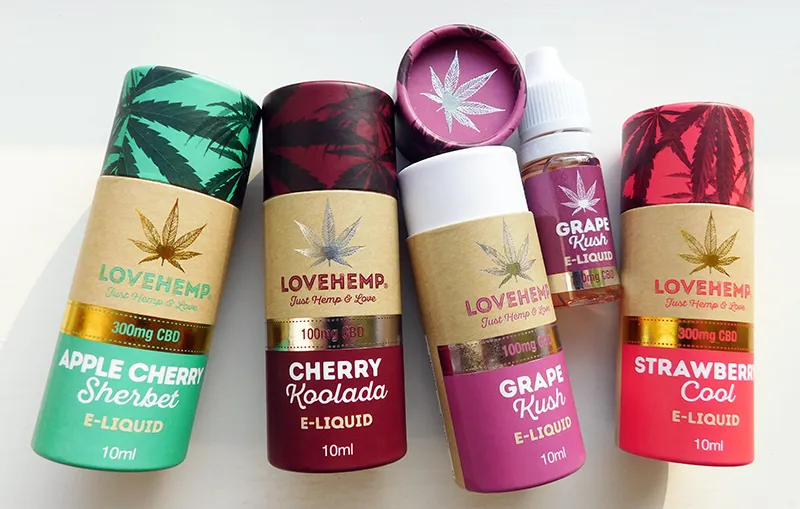
Before you throw away the old bottle, take a photo of the label. Note the batch or lot number, the best-before date, the pack size, the stated CBD content and the carrier oil. If you keep a note of what you actually used, you have something concrete to compare against.
This is not about becoming a label detective for the fun of it. It is about avoiding the classic mistake of comparing a 10ml bottle with a 30ml bottle, or a full-spectrum oil with an isolate, and assuming the numbers mean the same thing. They rarely do without a bit of arithmetic and a closer read.
If the brand has a website, check whether the product page has changed. If it has, look for a reformulation notice or a new ingredients list. If it has not, ask the shop to check with the supplier. A good counter will usually be happy to do this, especially if you are a regular.
Talk to the counter, not just the website
Websites are useful for specifications. They are less useful for the sentence you actually need: “Is this coming back, or is it gone?” A local counter can often tell you what the delivery note says, whether a replacement is already on order and whether other customers have found a sensible alternative.
That conversation also gives you context. A shop that knows its stock will tell you if a product is paused, if a brand has changed hands or if the new version is genuinely similar. It will also tell you if it is not similar, which is just as valuable.
Compare like with like, not marketing with marketing
When you do look at a replacement, compare format first. An oil is not a capsule. A topical is not a tincture. Then compare the boring details: strength per bottle, serving size, carrier oil, flavour, ingredients and batch information.
Do not assume that a higher number on the front means a better product. Do not assume that a new package with a leaf on it is an upgrade. And do not assume that a cheaper bottle is a bargain if the serving size is different. A little arithmetic saves a lot of shelf regret.
A sensible bridge, not a frantic leap
If you do need to switch, change one thing at a time. Keep your routine as stable as you can, buy a small size if one is available, and keep a note of how the replacement compares. Do not overhaul your whole day because one product has moved on.
It is also fine to wait. If the shop expects a delivery in a week, a week is not a crisis. If the line is genuinely gone, ask for a recommendation that matches the old product as closely as possible, then judge it on the label facts rather than the packaging story.
What not to do
Do not buy an unknown brand from a social media advert simply because it uses the same buzzwords. Do not ignore batch details because the bottle looks familiar. Do not treat a shop assistant as a medical professional, and do not make medication decisions on the back of a label change. If you take prescribed medicines or have a health condition, ask a pharmacist or your GP.
The long game
Local shops can often request lines, pass on feedback and tell you when something returns. That is one of the quiet advantages of buying from a counter rather than a warehouse. It is not a guarantee, but it is a relationship.
So when the shelf shifts, take a breath. Check the batch, ask the question, compare the facts and give yourself permission to wait. A discontinued favourite is a nuisance, not a personality test. The right replacement is usually the one you have actually read, not the one you grabbed in a mild panic.