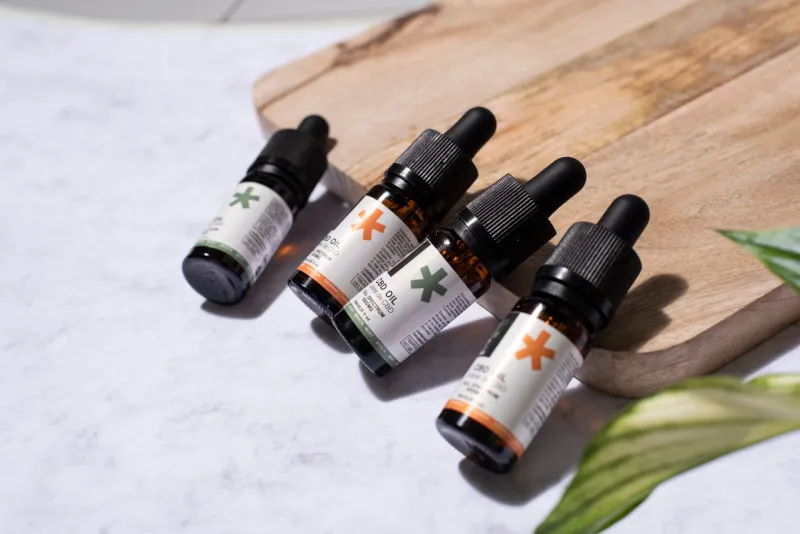
The Things People Actually Ask: A Neighbourhood CBD Counter's Plain-English FAQ
Photo: Pauline Eccles, CC BY-SA 2.0, via Wikimedia Commons
There is a notebook under the till at Green Lane CBD. It is not a stock ledger or a rota. It is a question book: scribbled, anonymous, occasionally tea-stained notes about the things people actually ask when they are standing at the counter with a bottle in their hand.
After a year of those conversations, patterns start to show. Some questions come up weekly. Some arrive only when the weather turns or a delivery van is running late. And almost all of them are more practical, more human and more specific than the questions people type into a search engine at midnight.
That difference is worth writing down.
Why a counter hears different questions
A search box gets research. A counter gets real life.
Online, someone might ask what cannabidiol is, how it compares with other cannabinoids, or which strength is strongest. At the counter, they ask whether the bottle in their hand will fit into a lunch break, whether it clashes with their blood pressure tablets, or whether they can leave it in the car without ruining it.
They also ask follow-up questions. That is the quiet advantage of a neighbourhood shop. You can say, 'start lower than you think' and then watch the person's face. You can point to the serving line on the label. You can say, 'come back in a fortnight and tell me how you got on.' A search result cannot do that.
What follows is not a medical guide, and it is not a substitute for advice from a pharmacist or GP. It is simply the counter FAQ we wish more people had before they bought their first bottle.
The label questions
Why does one bottle say 10% and another say 1,000mg?
Because labels are not always speaking the same language. A percentage usually describes the concentration of CBD in the oil, while milligrams describe the total amount in the bottle. A large bottle at a lower percentage can contain more total CBD than a small bottle at a higher percentage. The useful number is usually the amount per serving, not the biggest number on the front.
What is the difference between full-spectrum, broad-spectrum and isolate?
In plain terms: full-spectrum products contain a range of cannabinoids and plant compounds, broad-spectrum usually removes THC while keeping other compounds, and isolate is CBD on its own. People choose different formats for different reasons. The important thing is that the label is clear about what you are getting.
Why do you keep going on about batch codes?
Because a batch code is the product's paper trail. It links the bottle to a production run and, ideally, to a lab test. It also helps you check freshness and ask questions if something seems off. A shop that can put its hand on the batch file is a shop that knows what it sold you.
The first-timer questions
How much should I start with?
Lower than the internet suggests. Start with a small serving, keep a simple note of what you took and when, and give yourself a few days before changing anything. The goal is not to win a strength contest. It is to find out whether a product fits your routine.
How long before I notice anything?
It varies. Some people notice something within an hour; others need a few days of consistent use. Oils held under the tongue and edible formats can behave differently, and so can people. Keep the experiment boring: same product, same rough timing, same note-taking.
Will it make me feel high?
CBD is not the same as THC, and UK CBD products are sold as food supplements rather than medicines. They should not be marketed as a way to get high. That said, always read the label and buy from a shop that is happy to explain what is in the bottle.
Oil or gummies?
Whichever fits your day. Oil is easy to measure and fits a morning kettle routine. Gummies are portable and need no measuring. The best format is the one you will actually use consistently, not the one that sounds most impressive on a shelf.
The practical questions
Where should I keep it at home?
A cool, dark cupboard is better than a sunny windowsill or a steamy bathroom shelf. Keep the lid tight, stand the bottle upright, and check the label for storage advice. If the product smells or looks different from when you bought it, bring it in and ask.
Can I take it abroad?
Rules vary by country, so check before you travel. Keep products in their original packaging and carry any label information with you. If you are unsure, leave it at home rather than risk a difficult conversation at security.
Why do delivery times vary by postcode?
Because a neighbourhood delivery round is not a national conveyor belt. Local drops can be quick, while Royal Mail routes and rural postcodes follow their own timetables. Cut-off times matter too. If you need something for a specific day, ask before you order rather than after.
The 'is this right for me?' questions
I take prescription medication. Can I use CBD?
That is a conversation for your GP or pharmacist, not for a shop counter. Bring the product label with you so they can see exactly what is in it. We can explain the product; we cannot give medical advice.
Can I drive after taking it?
If you feel drowsy, fuzzy or unwell, do not drive. CBD products should not be treated as a reason to ignore the normal rules of driving. Read the label, use your judgement and ask a pharmacist if you are unsure.
Is it legal?
CBD products are sold in the UK as food supplements, not as medicines, and they must meet certain rules. A reputable shop should be able to answer basic questions about its products without making medical claims. If a label promises to treat a condition, treat that as a warning sign.
Can I give it to my dog?
Not from a human wellness shop. Pets need veterinary advice and products made for animals. It is not a case of adjusting the serving on a human bottle.
The price question
Why is there such a range?
Strength, bottle size, format, testing and production methods all affect price. The cheapest cost per milligram is not automatically the best value if the product does not suit you or sits unused in a cupboard. Ask what is included: a clear serving guide, a batch code, lab information and a shop that will answer the phone.
What the question book has taught us
Most people are not looking for a lecture. They are looking for permission to ask a sensible question without feeling silly.
A search engine can tell you what CBD is. A neighbourhood counter can tell you whether this bottle, this week, fits the way you actually live. That is a small thing, but it is the whole point of having a shop on the lane.