Who Picks the Bottles? A Neighbour’s Guide to Our 2026 Stocking Decisions
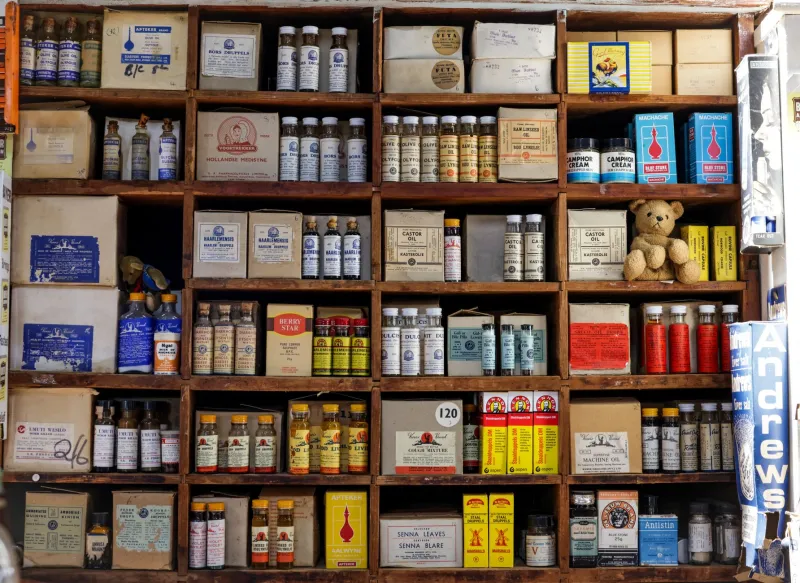
There is a quiet assumption that a shop’s stock appears by magic. A buyer in a distant office taps a spreadsheet, a van arrives, and bottles arrange themselves on the shelf. At Green Lane CBD, the truth is a lot more local. The best ideas often arrive on a scrap of paper by the till, in an email after a Sunday dog walk, or in a sentence that starts: “I don’t suppose you could get…”
That is how a neighbourhood CBD shop should work. The shelf is not just ours. It is a shared bit of the street, and the things on it should make sense to the people who pop in for a chat, a top-up or a bit of advice. As we shape our 2026 range, here is a plain-English look at how a request becomes a product — and why some suggestions fly onto the shelf while others take a slower route.
It starts with a note, not a spreadsheet
We keep a running list. It is not glamorous. It lives near the till, gets added to when someone asks about a smaller bottle, a different strength, a balm that does not smell of mint, or a capsule that is easier to swallow. We also get messages through the website and the occasional phone call. None of it is ignored, even when the answer is not a straight yes.
The first job is spotting patterns. One person asking for a lighter oil might be curiosity. Three people asking in a fortnight is a signal. Five people asking while holding a particular bottle and saying, “I love this, but…” is practically a buying brief. We group the requests, note the language people use, and ask ourselves whether the gap is about format, strength, price, flavour, packaging or simply clearer information.
The route from request to shelf
A suggestion does not go straight into a supplier’s basket. It goes through a fairly simple set of checks, most of which are about common sense and care rather than corporate strategy.
First, we ask what problem the product solves. Is it a genuinely missing format, a better size for trying CBD, or just a different label on something we already stock? Second, we look at the paperwork: batch codes, lab reports, ingredients, UK compliance and clear labelling. Third, we sample it. A product can look lovely on a website and feel completely wrong in the hand. Fourth, we place a small first order rather than a pallet. Fifth, we listen. If a bottle sits untouched for weeks, or if the feedback is lukewarm, we do not pretend otherwise.
That last part matters. Some products never make it past the first order. Not because they are bad, but because they are not right for this shelf, this street or this set of customers. A confusing label, a price that makes people wince, a texture that does not suit the way people actually use CBD — any of these can be a fair reason to let something go.
Why some suggestions are easy to act on
Some requests are straightforward. A smaller size of an oil we already stock? A new flavour from a supplier we trust? A balm in a tube rather than a jar? These are often easy because the groundwork is already done. We know the paperwork, the delivery route and the price bracket. We can test a small batch without turning the shop upside down.
We are also more likely to say yes when a request comes with detail. “Something for the evening” is helpful. “A 10ml bottle, around the twenty-pound mark, not too earthy, easy to drop under the tongue” is even better. It tells us what you would actually use, which is far more useful than a vague wish for “something stronger”.
Why some ideas take longer
Other suggestions are not rejections — they are “not yet” answers. A completely new format might need extra testing, different packaging or a supplier who can meet a sensible minimum order. A very niche strength might be perfect for one person and a dusty bottle for everyone else. A product with loud claims is a no from us, however popular the idea sounds, because we would rather keep the shelf calm and honest.
Local delivery adds another layer. We are a neighbourhood shop, not a warehouse, so we think about weight, storage and whether a product travels well. If something is fragile, bulky or likely to melt in a warm porch, that shapes the decision too.
The shelf belongs to the street
This is the part we enjoy most. A shop’s range should feel like a conversation, not a decree. When someone says they wish there was a gentler way to try CBD, or a balm that fits in a work bag, or a simple guide to what pairs with a Saturday morning coffee, that is useful. It keeps us from stocking the same tired things simply because they are easy to order.
So if you have a suggestion for our 2026 range, please say it. Drop a note at the counter, send an email, or catch us when the kettle has just gone on. Tell us the format you would use, the budget that feels fair, and the thing you would change about what is already here. We cannot promise every idea will make it onto the shelf. But we can promise it will be read, weighed up and treated as part of the shop rather than an interruption to it.