After the Last Drop: A Kitchen-Sink Guide to Empty CBD Packaging
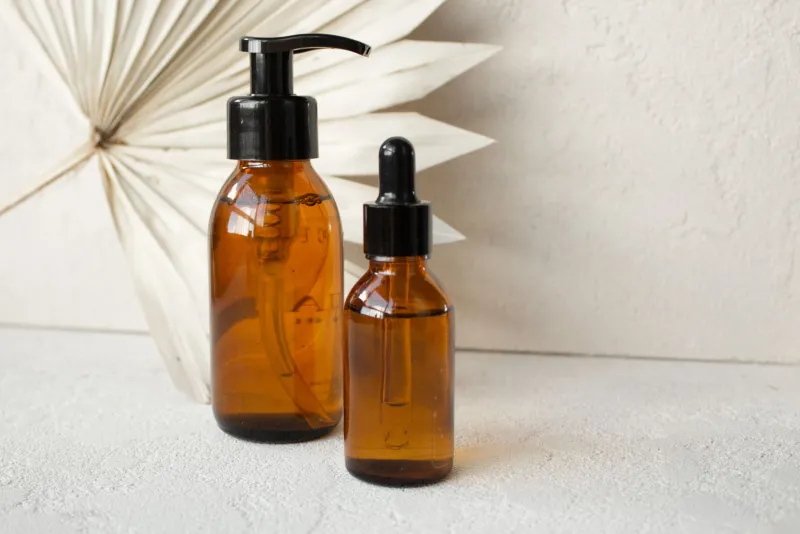
There is a particular moment, somewhere near the end of a bottle of CBD oil, when the recycling question stops being theoretical. You hold an empty amber bottle in one hand, a rubber-topped dropper in the other, and you realise you have absolutely no idea which bin either of them belongs in. The council leaflet is somewhere under a takeaway menu, and the label says something cheerful like “please recycle” without explaining how.
This is not a lecture about saving the planet. It is a sorting guide for the ordinary kitchen, written from the perspective of a neighbourhood shop that sees a lot of empty bottles come back through the door. The rules are rarely as tidy as the packaging suggests, but they are manageable once you know what to look at.
Start with the bottle, not the bin
Most CBD oils in the UK arrive in small glass bottles — often amber or dark green, usually between 10ml and 30ml. Glass is one of the better materials in the recycling system, but kerbside collections differ. Some councils take glass bottles and jars in the main mixed recycling; others ask for a separate box; a few still rely on bring banks. The material is recyclable almost everywhere, but the collection route is not universal.
Before you rinse anything, check your council’s current rules on its website. Look specifically for glass bottles, plastic caps and “mixed plastic” items, because those three categories often have different answers. Rinse the bottle once the oil is finished — a quick swill with warm water is enough — and let it dry upside down on the rack. Oil residue is one of the quiet contaminants in recycling, and a sticky bottle can spoil a whole batch of glass.
The dropper is the awkward bit
Here is the part that trips most people up. A standard CBD dropper is not one material. It is usually a glass pipette, a rubber or silicone bulb, and a plastic collar holding the two together. That combination is rarely accepted in kerbside recycling, even when the glass bottle beside it is.
If the dropper separates easily, take it apart. The glass pipette can sometimes go with other glass, depending on your council, but the rubber bulb and plastic collar usually belong in general waste. If it does not come apart without a fight, do not force it — put the whole dropper in the non-recyclable bin rather than risk breaking glass into the recycling stream. Some independent shops collect empty droppers for specialist processing, so it is always worth asking.
Caps, collars and child-resistant tops
Plastic caps are another postcode lottery. Some councils want them screwed back on; others want them removed and placed in the general waste. Child-resistant caps often contain more than one type of plastic, which makes them harder to recycle than a simple drinks bottle cap. Black plastic is still a problem in many areas because sorting equipment struggles to detect it.
A useful rule of thumb: if the cap is plain, rigid and clearly marked with a recycling symbol, check your council’s plastic rules. If it is soft, mixed, black or child-resistant, assume general waste unless your council says otherwise. It is not ideal, but putting the wrong thing in the recycling bin is worse than putting it in the rubbish bin with clear eyes.
Cartons, labels and the little extras
The outer carton is usually the easy win. Most CBD products come in a small cardboard box, and flattened card is widely collected at kerbside. Remove any plastic window or foam insert first. Labels on the bottle itself are a different matter: many are plastic-backed and not designed to peel away. Unless your council specifically asks you to remove labels, leave them on. Small labels are usually burned off during glass reprocessing.
If your CBD arrives by local delivery, the packaging pile grows. Paper tape, cardboard boxes and paper padding can usually be recycled or composted at home. Plastic air pillows and bubble wrap are usually general waste unless a supermarket collection point accepts them. Keep a separate bag by the door for delivery packaging and deal with it once a week rather than letting it colonise the hallway.
A two-minute routine that actually sticks
- Empty and rinse. Scrape out the last of the oil, swill with warm water, and leave to dry.
- Separate what separates. Dropper out, cap off, carton flattened.
- Check the odd bits. Put the rubber bulb, mixed-plastic collar and any black plastic into a small “bits box” or straight into general waste.
- Match to your council. Glass in the glass container, card with card, and only put plastics in kerbside if your council accepts that type.
- Store the stragglers. Keep a jar or tub for items you are unsure about, then check them in one go rather than guessing at the bin.
That last step matters more than it sounds. “Wishcycling” — putting something in the recycling bin because you hope it will be recycled — is one of the main causes of contaminated loads. A clean, honest general-waste bin is better than a hopeful recycling bin full of rubber droppers.
Greenwash, in plain English
Packaging claims deserve a raised eyebrow. “Recyclable” means the material can be recycled somewhere; it does not mean your council collects it. “Compostable” often refers to industrial composting, not a domestic heap, and bioplastics can contaminate ordinary plastic recycling. “100% recyclable” on a carton tells you nothing about the dropper inside.
At a local CBD counter, you can ask three useful questions without turning it into an interrogation. What is the dropper made of? Do you take empty bottles or droppers back? And has the packaging changed recently? A shop that can answer those plainly is usually a shop that has thought about the bin too.
The small habit
Recycling CBD packaging will never be as simple as tossing a milk bottle in a crate. But the routine is short: rinse, separate, check, store the odd bits. Once you have done it two or three times, it becomes part of the same kitchen rhythm as wiping the counter and putting the kettle on. The bottle is small. The habit is smaller. And the bin gets a little less mysterious.