Thirty Quid, One Shelf: A Sensible CBD Starter Budget for 2026

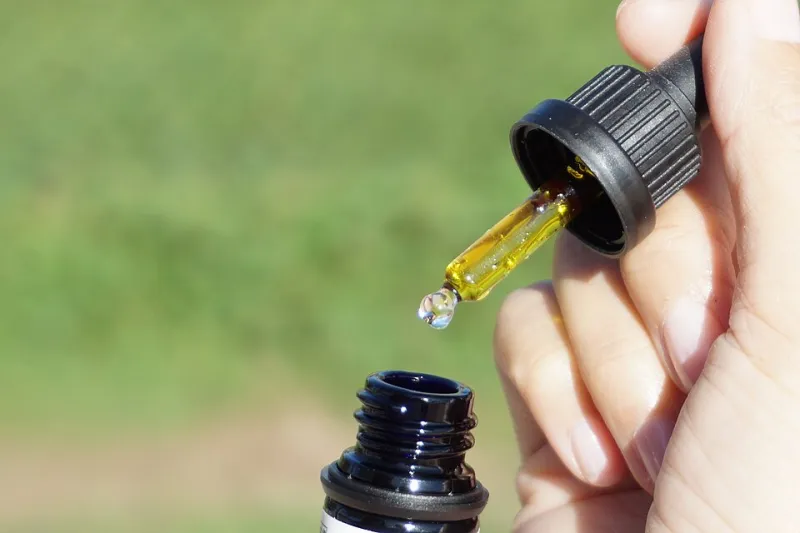
Photo: KKPCW, CC BY-SA 4.0, via Wikimedia Commons
There's a particular conversation that happens at a shop counter on a Saturday morning. Someone comes in with their hands in their pockets and says, 'I've got about thirty quid and no idea where to start.' Honestly, that's a good place to start. Better than the other version, where ninety pounds goes on a bottle nobody is sure about and finishing it starts to feel like a chore.
So let's treat £30 as a real budget and look at what it genuinely buys in a British CBD shop in 2026. Not the fantasy version with the biggest bottle on the shelf — the sensible one.
The number that actually matters
Labels give you milligrams and percentages. The figure that decides whether a bottle was good value is cost per serving, and it isn't printed anywhere, so you have to do a small sum.
A 10ml bottle of 5% oil holds roughly 500mg of CBD. If a serving for you is 5mg — and plenty of labels suggest starting modestly — that's around 100 servings. At £26, you're paying about 26p a go. A 10ml bottle of 10% oil holds roughly 1000mg; at £48 the same 5mg serving is nearer 24p. Cheaper per use, yes, but you've committed nearly fifty pounds before you know whether you like the taste, the texture or the routine of taking it. That isn't a saving. It's a bet.
Capsules work out differently. Thirty capsules at 10mg each, around £24, is about 80p a capsule. You're paying for a fixed amount and no dropper to wash — worth it for some people, unnecessary for others.
Prices move and pack sizes change, so treat these as shapes rather than quotations. The arithmetic is the point: multiply your serving size by the servings in the bottle before you decide which bottle looks like good value.
Three honest ways to spend thirty pounds
Oil first, everything else later. One 10ml bottle in the 5% range, plus change for a coffee on the way home. You learn whether a dropper suits your mornings, whether the taste is fine, whether you actually remember to take it. If the answer to any of those is no, you've spent £26 instead of £80 learning it.
The split shelf. A 5ml taster and a small capsule pack, roughly £29 between them. Two formats, both modest, no big commitment. Good if you genuinely can't picture which one you'd reach for on a Tuesday.
Oil and something for the skin. If you already know you want a balm for a shoulder after a long week, a modest oil plus a small balm is a perfectly reasonable pair. What I'd avoid is buying a full-size balm on a first visit simply because it came in a bundle.
What I'd leave on the shelf
- Three bottles of three different strengths. You'll finish one, forget the second, and lose the third behind the biscuits.
- The largest bottle in the shop. The cost per milligram improves; so does the size of the regret if the format doesn't suit you.
- Bundles containing something you won't use. A 'complete routine' in a box is only good value if the whole routine is genuinely yours.
- A subscription before you've finished a bottle. Decide after a month, not before.
- Anything sold mainly on the strength of its box. Fancy glass is lovely. It doesn't change what's inside.
- Novelty formats you'd never use at eight in the morning. If it needs a ritual you don't have, it'll sit in a drawer.
Four to six weeks, not four to six months
CBD oil carries a best-before date, and once a bottle is open the clock speeds up. Buy roughly what you'll use in a month or so. A £30 shelf that gets finished and replaced thoughtfully beats a £90 shelf that goes stale at the back of a cupboard. Store it somewhere cool, dark and upright — not above the hob, not on a sunny windowsill.
Three questions before you pay
- What's the batch code, and can I see the lab report for it? A shop that can put its hand on that paperwork quickly is a shop that knows its stock.
- What does the label suggest as a serving, and how many servings does that give me in this bottle? Two minutes of maths now saves a wasted bottle later.
- Is this product on the FSA's novel foods list? In 2026 that's a basic courtesy check for any CBD food supplement sold in the UK.
One last bit of neighbourly budgeting: if you're a couple of pounds short of a free local delivery, don't add a balm you don't want. Pop in and collect it instead. The walk is free, and you'll get to ask your questions at the counter.
CBD products are sold as food supplements, not medicines, and they aren't a treatment for anything. Start small, buy what you'll finish, and let the second bottle be the informed one.